


Extended Producer Responsibility (EPR) is changing the way UK businesses manage packaging waste. But what does it mean for your business, and how does it affect the wooden pallets and packaging products you use every day?
Whether you manufacture, transport, store or distribute goods, understanding EPR can help you manage your packaging responsibilities and make more informed purchasing decisions. At Associated Pallets, we work with businesses across the UK to provide reliable pallet and packaging solutions. In this guide, we explain what EPR is, who it affects and how choosing the right pallets can support a more sustainable supply chain.
What Is Extended Producer Responsibility (EPR)?
Extended Producer Responsibility (EPR) is a UK packaging scheme that makes businesses more responsible for the packaging they place on the market and the waste it creates. Previously, local authorities covered much of the cost of collecting and disposing of household packaging waste. EPR shifts these costs towards the businesses responsible for supplying that packaging.
The aim is to encourage companies to reduce unnecessary packaging, use recyclable materials and reuse packaging wherever possible. For businesses using wooden pallets, plastic pallets and other packaging products, EPR makes it increasingly important to understand how packaging is supplied, used and disposed of.
Who Does EPR Affect?
EPR can apply to businesses that manufacture, supply, import or use packaging to transport and sell goods. However, not every business has the same responsibilities. Under current UK regulations, businesses may need to comply with EPR if they have an annual turnover of £1 million or more and supplied or imported more than 25 tonnes of packaging in the previous calendar year.
Businesses are divided into two main categories:
- Small producers: Businesses meeting the lower EPR thresholds must register and report their packaging data annually.
- Large producers: Businesses with an annual turnover of more than £2 million and responsibility for more than 50 tonnes of packaging have additional obligations, including more frequent reporting and applicable waste disposal fees.
Your responsibilities depend on your business activities, the amount of packaging you handle and how that packaging is classified. You can check whether your business needs to comply using the
UK Government’s official EPR guidance.
Are Wooden Pallets Included in EPR?
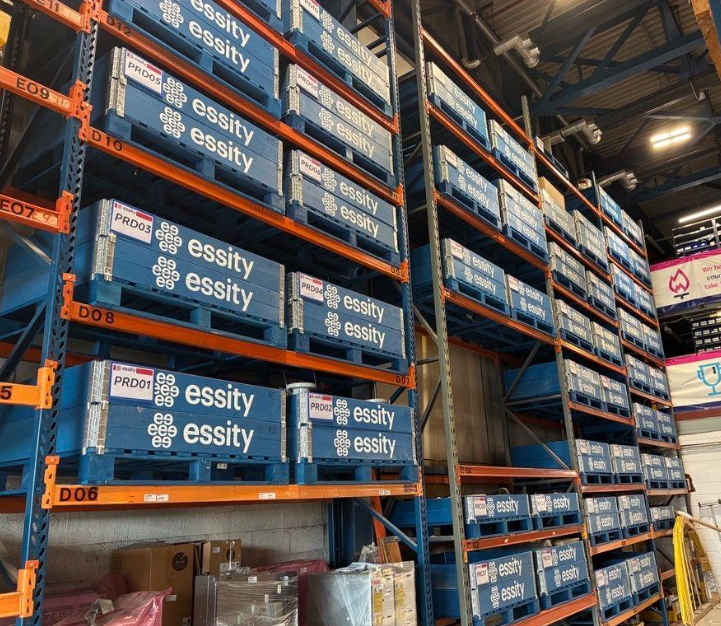
Yes. Wooden pallets used to transport goods are considered packaging under EPR regulations. Pallets are generally classed as transit packaging because they allow goods to be safely grouped, handled and transported through the supply chain.
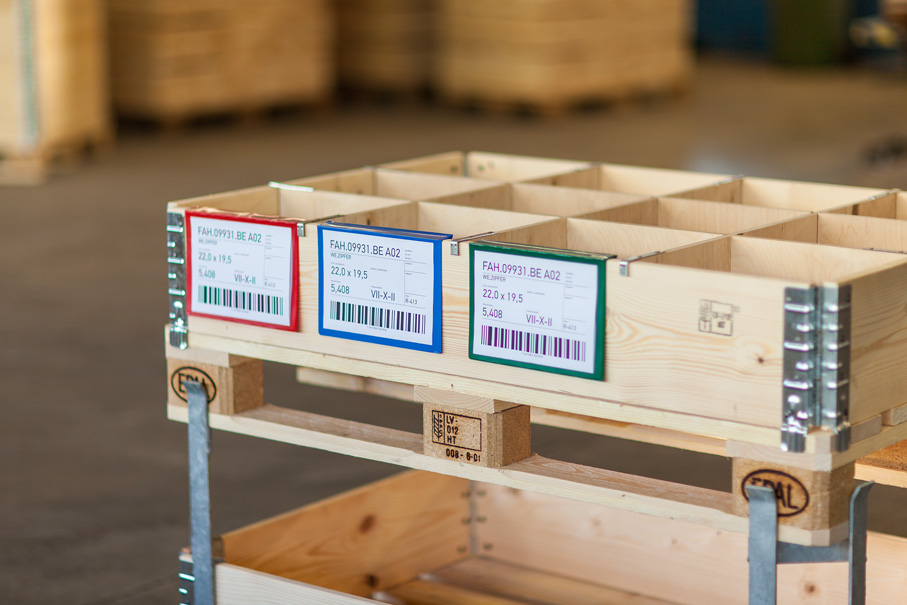
Other products, including pallet collars, lids, stretch wrap and protective packaging, can also fall within the scope of EPR. However, this does not mean every business purchasing wooden pallets automatically has to pay EPR waste disposal fees. The rules depend on who is responsible for the packaging, how it is supplied and whether it is classified as household or non-household packaging.
Do Businesses Have to Pay EPR Fees on Wooden Pallets?
One important distinction within EPR is the difference between household and non-household packaging. Household packaging is generally packaging likely to become household waste, such as packaging around products consumers purchase. Non-household packaging includes packaging used within commercial and industrial supply chains. For example, wooden pallets used to move products between manufacturers, warehouses, and distribution centres are generally considered non-household packaging.
EPR waste disposal fees do not automatically apply to every wooden pallet a business purchases or uses. Large producers pay waste disposal fees on applicable household packaging. However, businesses may still need to include non-household packaging in their EPR reporting. Check how your pallets and associated packaging should be classified, rather than assuming they are exempt from all EPR requirements.
How Can Reusable Wooden Pallets Help Your Business?
One of the simplest ways to reduce packaging waste is to use the products you already have more effectively. Wooden pallets are particularly well suited to reuse. A good-quality pallet can make multiple journeys through the supply chain before it reaches the end of its working life.
Many used pallets can also be inspected, repaired and returned to service rather than being discarded after a single use. This can help businesses reduce reliance on newly manufactured pallets, make better use of existing materials, and potentially lower packaging costs.
At Associated Pallets, we supply a wide range of new and used wooden pallets to businesses throughout the UK. Our used and reconditioned pallets offer a practical alternative for businesses looking to reduce waste without compromising packaging reliability.
What Should Businesses Do About EPR?
If your business uses wooden pallets or other packaging products, you can take several practical steps to prepare for EPR and improve how you manage packaging.
Check your EPR responsibilities
Review your annual turnover, packaging quantities and business activities to establish whether you need to register and report packaging data.
Keep accurate packaging records
Record the materials, quantities and weights of your pallets and packaging products, along with how they are supplied and used.
Consider reusable packaging
Review whether used pallets, pallet recovery or reusable packaging products could help reduce waste within your supply chain.
Plan for responsible disposal
Where pallets can no longer be reused or repaired, consider appropriate recycling and recovery options to keep valuable materials out of waste streams.
Supporting a More Sustainable Supply Chain
At Associated Pallets, we understand that businesses need packaging solutions that are practical, cost-effective and environmentally responsible. Our extensive range includes new and used wooden pallets, presswood pallets, pallet collars, lids, stretch wrap and other packaging products. We also provide pallet collection, recovery and recycling services to help businesses make better use of existing materials and reduce unnecessary waste. Whether you are reviewing your packaging requirements because of EPR or simply looking for ways to improve efficiency, choosing the right products can make a real difference.
Speak to Associated Pallets Today
If you are looking to reduce packaging waste, explore reusable pallets or review your existing pallet supply; our experienced team is here to help. Contact us today to discuss your pallet and packaging requirements and learn how we can support a more efficient, sustainable supply chain.
Please note: This article provides general information about EPR and should not be considered legal or regulatory advice. For guidance on your business’s specific obligations, refer to the latest UK Government regulations or speak to your packaging compliance provider.
 Send us a message!